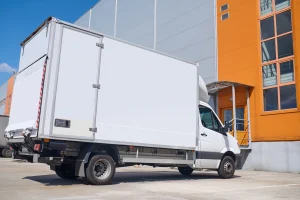

Running one box truck teaches you what the work really costs: fuel, repairs, empty miles, and the time spent finding the next load. Adding a second truck means taking on those costs again, along with a driver and more work to coordinate. Before expanding, make sure the freight you can book supports the extra expense.
For many box truck owner-operators, the goal is to move beyond driving every load themselves. A small fleet can give you room to take more work and serve repeat customers, but more trucks do not automatically mean more profit. This guide covers how to add capacity a step at a time, keep costs under control, and deliver the service your customers expect.
Market Opportunity: Does More Capacity Fit Your Business?
Look at the Work You Can Actually Book
Retail distribution, regional freight, and final-mile deliveries all have a place in box truck work. The question for your business is whether you can find enough of that work in your area to keep another truck productive. A national market forecast cannot tell you whether your next truck will earn its keep.
Look first at your own customers and routes. Are you regularly turning down suitable loads because your truck is already booked? Are those requests recurring, or were they a busy week’s exception? Base the expansion decision on work you can reasonably expect, not just on optimism about the market.
What Another Truck Can Help You Do
An extra truck gives you more ways to cover local and regional jobs. You may be able to serve overlapping delivery windows or take additional work from an existing customer. That is useful only if you also have the drivers, dispatch coverage, and maintenance plan to support it.
For a shipper, the value is dependable service rather than the number of vehicles you own. A small fleet can give you backup when one truck is unavailable, but only if you plan for that coverage. Do not promise more capacity than your trucks and drivers can reliably provide.
From One Truck to a Fleet: Plan the Next Step
Check How Your First Truck Is Performing
Before adding trucks, make sure you understand how the first one is doing. More capacity can magnify problems you already have. Review whether your freight is steady enough to support another truck and whether cash flow can cover the higher fixed costs.
Track revenue per truck, how often it is working, and the miles you drive empty. Review maintenance records and downtime too. If repairs or weak margins are already putting pressure on the business, sort those out before taking on another vehicle.
Budget for One More Truck, Not Just the Purchase
Start with a realistic next step. Adding one vehicle at a time gives you a chance to see how dispatch, driver management, and cash flow change before expanding again. Plan for two or three trucks before making commitments for a much larger operation.
Budget for the truck, insurance, fuel, preventive maintenance, and driver pay. Get quotes for the specific vehicle you are considering rather than assuming every 26-foot truck will cost the same to run. Extra cargo space is useful only if the freight fits the truck’s payload, equipment, and operating costs.
Decide which work you want the added truck to handle. You might focus on retailer deliveries, regional freight for manufacturers, or distribution work. Our guide to the best types of freight for box trucks can help you match that plan to the truck and equipment. If you are still comparing equipment options, see hotshot loads vs. box truck loads.
Keep the Trucks, Drivers, and Paperwork Organized
Know Where Each Truck Is and What Comes Next
With one truck, you know where it is because you are usually driving it. With several trucks, you need a shared way to track pickups, delivery status, proof of delivery, and maintenance. Basic fleet tools can help, but the important part is keeping the information current.
Choose tools that let you give customers accurate updates without repeatedly calling every driver. Start with the features you will actually use: truck location, delivery updates, document storage, and maintenance reminders. A system is only useful if you and your drivers keep it up to date.
Coordinate Loads Across the Fleet
With multiple trucks on the road, each load affects more than one driver’s day. Keep dispatch organized so you can see which truck is available, where it will finish, and whether the next pickup makes sense. That helps you avoid unnecessary deadhead and bookings you cannot cover.
Use one shared dispatch process rather than separate plans that nobody else can see. Check driver availability, delivery windows, and routes together before confirming a job. A clear plan makes it easier to give customers a reliable answer and adjust when a delay changes the day.
Hire Drivers With Clear Expectations
Hiring is a major change when you move beyond one truck. A non-CDL configuration may widen your hiring options, but you still need to check the qualifications required for the truck and the work. Explain the schedule, pay, delivery duties, and expectations before a driver starts.
Give drivers clear guidance on customer communication, safety, and delivery paperwork. Make sure they know who to call when a pickup is delayed or the freight does not match the booking. Reliable scheduling, fair pay, and clear expectations give drivers a better reason to stay.
Watch Costs Truck by Truck
More trucks bring more fuel bills, repairs, insurance, and wages. Higher revenue can hide a weak truck or route if you only look at the fleet total. Track costs by vehicle so you can see where the extra work is paying off and where it is not.
Use the U.S. Energy Information Administration’s weekly diesel prices as a reference when estimating fuel costs, alongside what your trucks actually use. Routes, driving habits, and idle time all matter. Keep preventive maintenance on the calendar as well. For covered commercial vehicles, FMCSA’s inspection, repair, and maintenance guidance explains the carrier’s responsibility to systematically inspect, repair, and maintain vehicles under its control.
Before adding a vehicle or driver, ask your insurance agent how the change affects coverage and price. Keep driver records and safety paperwork organized rather than waiting for a customer to request them. Our box truck owner-operator requirements guide covers the registration, insurance, and driver checks. FMCSA’s registration guidance is the official starting point for checking the requirements that apply to your operation.
Find Repeat Customers, Not Just More Loads
As the fleet grows, you need enough work for each truck, not just the next job for yourself. Set aside time to follow up with customers, ask about recurring deliveries, and explain which routes and services you can cover.
Show customers what you can reliably do: deliver on time, provide updates, and respond when a problem comes up. Be specific about your service area, same-day availability, and any handling equipment you offer. Clear promises you can keep are more useful than a broad claim that you can handle everything.
Look for repeat freight that fits your routes instead of relying entirely on one-off jobs. Regular lanes can make scheduling easier and reduce time spent looking for work. Freight platforms and broker relationships can be additional sources of leads, but check each customer’s requirements and the costs of each job. You can find loads on Courierbrokers that fit your equipment and service area.
Fix the Problems That Show Up as You Grow
The habits that work when you drive the only truck may not work with several drivers. Write down how loads are assigned, how delivery documents are saved, and who updates the customer. Keep the process simple enough that everyone follows it.
You do not need to buy every fleet tool at once. Start with the problem that is costing you the most time, such as missing paperwork or unclear truck availability. Add features when there is a clear need, and check that the tool is helping before spending more.
Driver changes can disrupt a small fleet quickly. Keep expectations clear, give as much notice of schedules as you can, and discuss problems before they build up. Think through how you will cover a route if a driver is unavailable rather than waiting until pickup time.
Make the Next Truck Earn Its Place
Moving from one truck to a small fleet can open up more work, but it also changes your job. You will spend more time managing drivers, checking costs, and coordinating deliveries. Make sure the added capacity fits the business you want to run.
Keep the first truck’s numbers in view, add capacity gradually, and build a process for dispatch, maintenance, and customer updates. Growth is useful when the extra truck improves the business after its costs are covered, not simply when the fleet looks bigger.
Before buying, check the work available, get realistic cost estimates, and decide who will drive and dispatch the added truck. Expand when those pieces fit together. A manageable next step is better than several trucks you are struggling to keep loaded.