
Hotshot hauling and box truck freight can both be attractive options for carriers, but they serve different transportation needs and come with different operating considerations. If you are trying to decide between the two, the better option is not necessarily the one with the highest rate per mile. What matters is how much revenue you can generate after fuel, maintenance, insurance, deadhead miles, equipment costs, and other operating expenses get subtracted.
The real question is not simply which pays more. It is which type of freight best matches your equipment, your operating costs, your service area, and your ability to keep your truck loaded. This guide walks through the differences between hotshot and box truck freight, what actually affects earning potential, how fuel and regulations weigh in, and how you can evaluate available loads more effectively.
Hotshot Loads vs. Box Truck Loads: What Is the Difference?
Hotshot loads and box truck loads can overlap in the types of freight they move, but the equipment and service model are different.
Hotshot hauling generally involves a pickup truck and trailer combination used to move relatively smaller or time-sensitive freight. Hotshot carriers are often called in when a shipment needs to move quickly without waiting for a traditional full truckload schedule. The value proposition centers on speed and flexibility.
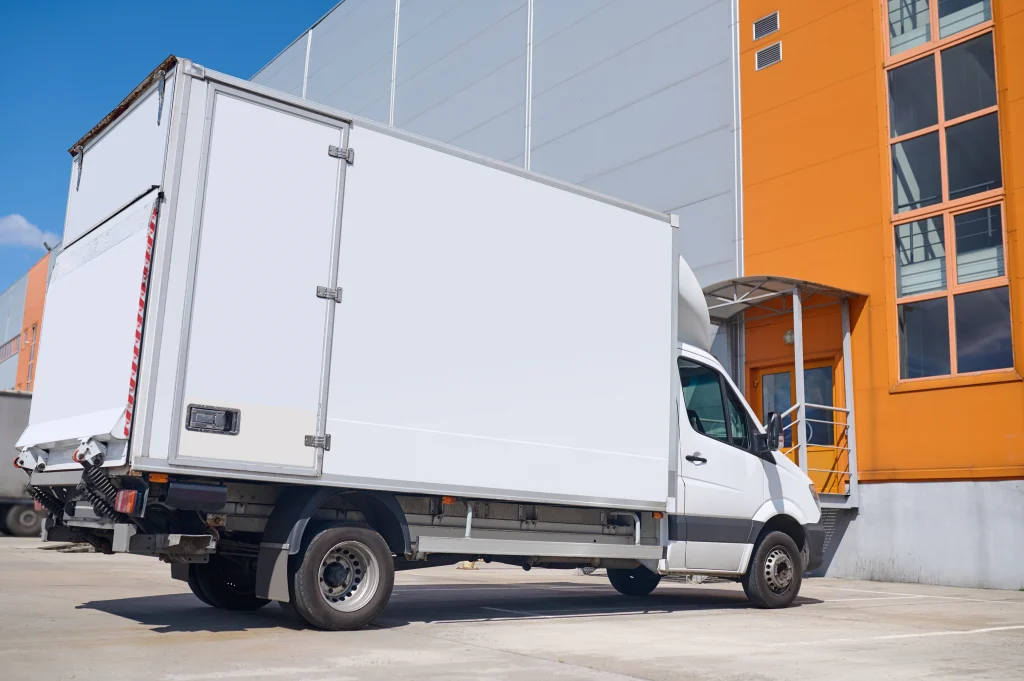
Box truck freight is typically transported in an enclosed straight truck. These vehicles are commonly used for palletized freight, retail distribution, commercial deliveries, furniture, equipment, and other shipments that benefit from an enclosed cargo area. The value proposition centers on cargo protection and consistent capacity.
The biggest difference is often service requirements rather than simply truck size. A shipper with an urgent replacement part may prioritize speed and immediate availability. A shipper moving scheduled commercial freight may prioritize cargo protection, capacity, predictable delivery windows, and repeat service.
| Factor | Hotshot Loads | Box Truck Loads |
|---|---|---|
| Typical equipment | Pickup and trailer combination | Enclosed straight truck |
| Common use | Time-sensitive and smaller freight | Commercial, retail, palletized, and scheduled freight |
| Main advantage | Flexibility and responsiveness | Enclosed cargo space and versatility |
| Revenue model | Often evaluated by load and mileage | Often evaluated by load, route, stops, and mileage |
| Major risk | Deadhead and inconsistent load availability | Higher equipment and operating costs |
| Best fit | Carriers positioned for urgent or specialized freight | Carriers seeking regional, local, or scheduled opportunities |
The right choice depends on your individual numbers rather than on the freight category alone.
What Determines How Much a Freight Load Pays?
A load’s advertised price does not tell you how profitable it will be. Two loads with the same gross payment can produce very different results after operating expenses. Rate per mile is only one part of the equation.
Carriers should consider loaded miles, deadhead miles, fuel consumption, fuel price, tolls, maintenance, tires, insurance, driver labor, equipment payments, permits and compliance costs, loading and unloading time, waiting time, and administrative costs. A useful starting point is to calculate your all-in cost per mile.
For example, if a load pays $800 but requires 700 total miles including deadhead, evaluating it as an $800-per-700-mile trip gives a more realistic picture than looking only at the advertised pickup-to-delivery mileage. The goal is not simply to find the highest-paying load. It is to identify loads that produce an acceptable return after the actual cost of completing the trip.
Hotshot Loads: Where the Revenue Opportunity Comes From
Hotshot freight is often associated with urgent transportation. A shipper may need a replacement component, construction-related item, equipment part, or other shipment moved quickly. When timing is critical, a carrier’s availability and response time become important factors in the transportation decision.
Hotshot carriers can benefit from flexible equipment, the ability to respond quickly, smaller shipment requirements, time-sensitive freight opportunities, and potential access to specialized regional demand. However, urgency does not automatically mean every hotshot load is highly profitable. A high gross rate can become less attractive when the carrier has to drive significant empty miles after delivery or return to a weak freight market.
Deadhead is one of the most important factors for hotshot carriers to monitor. Consider two hypothetical loads. Load A pays $1,000 with 400 loaded miles and 50 miles of deadhead, for a total of 450 miles. Load B pays $1,200 with 400 loaded miles but 350 miles of deadhead, for a total of 750 miles. Load B pays more in total, but Load A may produce a better result when revenue is measured against total miles and operating costs. The difference comes down to where your truck spends its time.
Box Truck Loads: Where the Revenue Opportunity Comes From
Box truck loads can be attractive for carriers that want to serve local and regional freight markets. For a closer look at the freight that suits this truck, see our guide to the best types of freight for box trucks. Enclosed box trucks can be used for a wide range of deliveries, including commercial freight, palletized shipments, retail distribution, furniture, equipment, and scheduled routes.
The U.S. Bureau of Labor Statistics classifies light truck drivers as drivers operating vehicles with a gross vehicle weight below 26,001 pounds and provides employment and occupational outlook data for this segment. Employment for delivery truck drivers and driver-sales workers is projected to grow 8% from 2024 to 2034, with about 171,400 openings projected annually on average. These figures describe employment, not freight rates or owner-operator profits. They should be used as market context rather than proof that box truck freight is inherently more profitable.
Box truck operations can benefit from enclosed cargo protection, versatility across different freight types, local and regional delivery opportunities, multi-stop routes, scheduled commercial deliveries, and potential for repeat customers and lanes. The important distinction is that consistent utilization can matter more than the rate on any individual load. A slightly lower-paying load may make more financial sense if it keeps the truck moving, reduces deadhead, and creates opportunities for additional revenue on the same route.
A common assumption is that a 26-foot box truck is automatically non-CDL. That is not a safe assumption. Federal requirements depend on factors such as the vehicle’s weight ratings, configuration, cargo, and whether the vehicle is operating in interstate commerce. The Federal Motor Carrier Safety Administration provides guidance on commercial motor vehicle requirements, including applicable weight thresholds and other factors that can affect compliance. Carriers should verify the requirements that apply to their specific vehicle and operation rather than relying on the truck’s length alone.
Fuel Costs Can Have a Major Impact on Profitability
Fuel is one of the most important variable costs for many carriers. The U.S. Energy Information Administration publishes weekly U.S. on-highway diesel prices, giving carriers a reliable government source for monitoring changes in fuel costs. Fuel prices can vary substantially by region, so carriers should use current local or regional prices when calculating the economics of a specific load.
The impact of fuel prices depends on vehicle fuel economy, total trip mileage, deadhead, load weight, traffic, idling, route conditions, and regional fuel prices. This means carriers should not assume that a higher gross-paying load is automatically more profitable. A load that adds hundreds of unnecessary miles can consume a significant portion of the additional revenue. The fuel cost per mile can be estimated as the diesel price divided by the truck’s miles per gallon, then applied to the total miles expected for the trip.
Does Hotshot Pay More Than Box Truck Loads?
There is no single nationwide rate that proves one category always pays more than the other. Hotshot freight can offer attractive revenue opportunities when a shipment is urgent, specialized, or located in a strong regional market. Box truck freight can offer attractive economics when a carrier maintains high utilization through local, regional, scheduled, or repeat freight.
The better comparison is gross revenue versus total operating cost versus utilization. Hotshot may be more attractive when you have equipment suited to hotshot freight, you can respond quickly to available loads, your market produces time-sensitive freight, you can minimize deadhead, your fuel and equipment costs are under control, and you are comfortable with fluctuations in load availability.
Box truck loads may be more attractive when you have access to regular local or regional freight, your truck can remain productive throughout the week, you can combine multiple deliveries efficiently, you can build repeat shipper relationships, enclosed cargo space gives you access to more suitable freight, and your operating costs are predictable. The important point is that rate per mile and weekly revenue are not interchangeable measures of profitability.
How to Calculate the Profitability of a Load
Before accepting a load, carriers should calculate the expected economics of the entire trip. A simple framework is: Estimated Load Profit equals Gross Revenue minus Total Trip Costs. Total trip costs can include fuel, tolls, maintenance reserve, tires, insurance allocation, driver labor, equipment payment allocation, permits, parking, and other trip-specific expenses.
Suppose a carrier is considering a $1,200 load. The carrier should not stop at dividing $1,200 by loaded miles to get a rate per loaded mile. Instead, calculate $1,200 divided by total miles including deadhead to get gross revenue per actual mile. Then subtract estimated trip expenses. This provides a much more useful basis for deciding whether the load makes financial sense.
How Shippers Should Choose Between Hotshot and Box Truck Freight
The better equipment choice depends on the shipment. Hotshot freight may make sense when the shipment is urgent, the cargo is relatively small, the delivery window is tight, waiting for a scheduled truck would create a problem, or rapid carrier response is important. Box truck freight may make sense when the freight needs enclosed protection, the shipment is palletized or commercial, cargo volume requires a larger enclosed cargo area, the delivery is scheduled rather than emergency-based, multiple stops are involved, or the shipper expects recurring service.
Shippers should provide carriers with accurate information before requesting a quote. At minimum, include pickup and delivery locations, cargo dimensions and weight, number of pieces or pallets, pickup date and time, delivery deadline, loading requirements, special handling requirements, and whether a liftgate is required. Accurate shipment information helps carriers determine whether their equipment is suitable and reduces unnecessary quote revisions.
How to Find Better Hotshot and Box Truck Loads
Finding profitable freight is only part of the process. Carriers also need to find loads that fit their equipment, location, schedule, and operating costs. A freight platform can help carriers search available opportunities and identify shipments that match their service area.
When evaluating a load, look beyond the advertised payout and ask how many total miles you will drive, how much deadhead is involved, what fuel will cost, how long pickup and delivery will take, whether the load requires special equipment, what the tolls and other trip expenses are, where you will likely find your next load, and whether the load fits your preferred operating area. A good load board strategy is not simply about finding the highest dollar amount. It is about finding the right load for your truck and your next move.
For carriers looking for hotshot freight, box truck loads, LTL opportunities, or other delivery work, Courierbrokers.com provides a platform where delivery providers and freight carriers can search available postings and connect with shippers and other participants in the delivery network. The platform can be used as another resource for evaluating available freight opportunities based on equipment, location, and operating strategy.
Hotshot Loads vs. Box Truck Loads: Which Is Better?
There is no universal winner. Hotshot loads can be a strong fit for carriers who value flexibility, rapid response, and time-sensitive freight. Box truck loads can be a strong fit for carriers who prioritize enclosed cargo space, local or regional delivery opportunities, and consistent equipment utilization. The more important question is whether the freight produces a healthy return after all operating costs.
Before accepting a load, evaluate gross revenue, total miles, deadhead, fuel consumption, operating cost per mile, total working hours, equipment requirements, expected next-load opportunities, and regional freight availability. A load that looks attractive on a load board can become unprofitable once deadhead, fuel, and waiting time are included. The carrier who consistently understands these numbers has a better chance of building a sustainable operation, regardless of whether the truck is handling hotshot or box truck freight.
Frequently Asked Questions
Do hotshot loads pay more than box truck loads?
Not necessarily. Hotshot loads can offer strong revenue opportunities when freight is urgent or specialized, but profitability depends on the complete trip economics. Box truck loads may produce better results when they provide consistent utilization, shorter deadhead, or repeat routes.
Are box truck loads profitable?
They can be, but profitability depends on factors such as freight rates, utilization, fuel costs, insurance, maintenance, equipment payments, and deadhead. A carrier should calculate total trip costs rather than judging profitability from gross revenue alone.
Can you haul box truck loads without a CDL?
Some box truck operations may not require a CDL, but the answer depends on the vehicle’s weight ratings, configuration, cargo, and applicable federal and state requirements. Carriers should review FMCSA guidance for the specific operation.
What size box truck is best for freight loads?
There is no single best size. Smaller trucks can be suitable for local deliveries and lighter freight, while larger box trucks provide more cargo capacity. The right size depends on the freight you intend to haul, your operating area, and the applicable licensing and compliance requirements.
What is deadhead in trucking?
Deadhead refers to miles driven without revenue-generating freight. High deadhead can significantly reduce the profitability of an otherwise attractive load.
Where can I find hotshot loads and box truck loads?
Carriers can use freight and delivery platforms to search available postings that match their equipment and operating area. Courierbrokers.com is one platform that can help carriers explore available freight and delivery opportunities.
Should I choose hotshot or box truck work as a new owner-operator?
The better choice depends on your available equipment, startup costs, preferred service area, freight demand, and tolerance for variable load availability. Build a realistic operating-cost model before choosing equipment based solely on expected gross revenue.
Final Takeaway
Hotshot loads and box truck loads serve different transportation needs, and neither category guarantees higher profits. Hotshot hauling can benefit from urgent freight and flexible operations, while box truck freight can provide access to enclosed cargo, commercial deliveries, and recurring local or regional opportunities. For carriers, the most important metric is not simply the advertised rate. Profitability comes from matching the right load to the right equipment while controlling total miles, deadhead, fuel, operating costs, and available working time.
Using current fuel data, understanding applicable regulations, and evaluating every load based on its complete trip economics can help carriers make better decisions. For carriers looking for additional freight opportunities, Courierbrokers.com can be used to explore available delivery and freight postings and identify opportunities that fit their equipment and service area.